Renewable Energy

Greener new energy systems such as Solar Energy, Street Lighting, Pyrolysis, Battery Energy Storage System, Hydrogen System etc

Green Energy

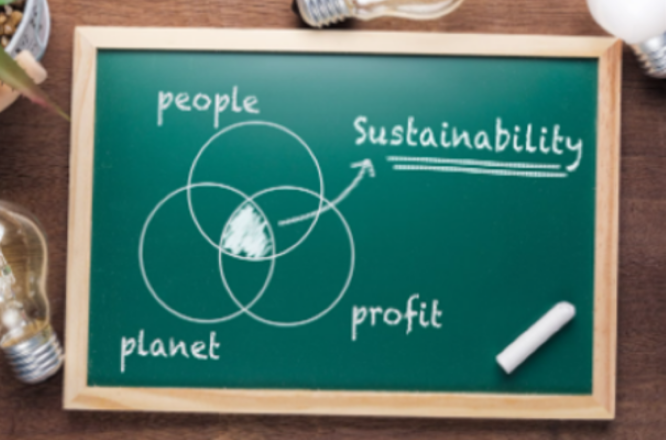
Green energy systems, including solar energy, wind and solar street lighting, pyrolysis, battery energy storage systems (BESS), and hydrogen, support sustainability by reducing carbon footprints and improving energy efficiency

    Community Engagement
  • Education and awareness programs on sustainable energy. This initiative opens up job opportunities for FELDA residents in the green energy sector and improves the economic well-being of the local residents.
    Practical Ethics
  • Prioritizing sustainability by reducing pollution and protecting natural resources. Offering eco-friendly methods for waste management and clean energy, ensuring a positive impact on the environment as well as community rights are taken care of.

Solar Energy Initiatives

SF Readiness

In collaboration with expert and experienced technology partners. We are fully prepared to carry out this solar energy project initiative immediately and are committed to delivering optimal results in a short time.

Program SAVE 4.0

The government's initiative to encourage the use of energy-efficient electrical appliances aims to raise awareness of sustainable energy as well as help reduce electricity bills and carbon footprint for a greener future.

Program LSS5

The Ministry of Energy Transition and Water Transformation through the Energy Commission (EC) will offer a solar quota of 2,000MW through a competitive bidding process under the next phase of the large scale solar (LSS) programme.

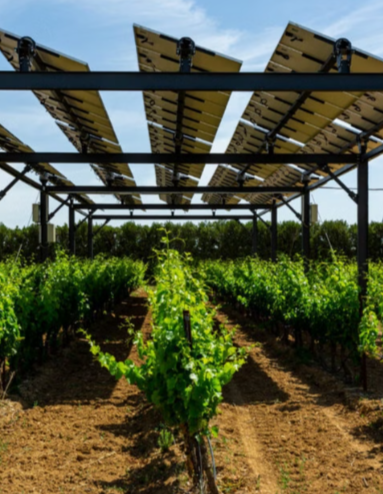
Integrated Solar Farm

Vegetable Farming

Cultivation of shade-tolerant crops such as leafy vegetables under solar panels.

Poultry Farming

Raise chickens for income and fertilize naturally under solar panels.

Goat Farming

Use goats to manage vegetation while reducing the cost of mowing the lawn.

Beekeeping

Provide beehives for honey production and crop pollination.

Aquaponics

The use of solar energy for fish and vegetable farming in a closed-cycle system.

Transition of Solar Windmill Lights (LKAS)

    Utilize existing Lights
  • Existing light poles and LED lights will be used and innovated with LKAS.
    Upgrade HPSV to LED
  • (HSPV) will be replaced with energy-efficient LED lights, reducing energy consumption and improving lighting.
    Transition to Use LKAS
  • Each LKAS unit is capable of supporting two LED street lights. This replaces the old system with sustainable energy.
    Monitoring System
  • The monitoring system will monitor the condition of the street lights in Felda, provide warnings for any breakdowns and ensure a quick response for repairs.

Advantages of using LKAS

Management Costs

SF will handle capital expenditure (capex) and operating expenditure (opex) for the entire Felda street lighting system, reducing Felda's financial and logistical burden in managing infrastructure.

Cost Savings

Felda will enjoy a 20% savings in overall street lighting costs every month. This provides an opportunity for Felda to redirect the saved funds to other important initiatives in the community.

LKAS Monitoring System

The new LKAS system will solve the problem of lights not working. Detection through the monitoring system allows maintenance issues to be addressed quickly, ensuring that all lights are in good working order.

Economic Cycle through Pyrolysis

By implementing these practices, FELDA can reduce waste, promote resource efficiency, and generate new revenue streams to support long-term financial stability.

    Processing used tires
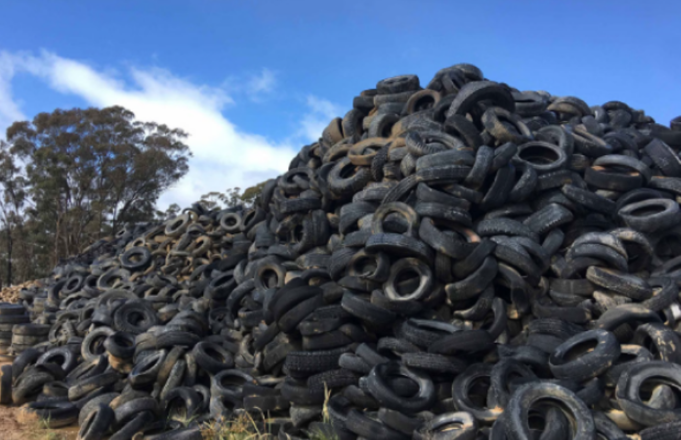
  • Processing used tires through pyrolysis to generate crude oil. This approach reduces landfill waste and recovers valuable resources for reuse or sale.
    Generating New Income
  • By recycling materials through pyrolysis, new income can be generated from the sale of recovered crude oil. This supports FELDA's financial stability and demonstrates our commitment to the economic cycle.
    Implementation Plan
  • Setting up a pyrolysis plant in a strategic location in FELDA
  • Train staff on new pyrolysis technologies
  • Cooperation for the distribution and sale of crude oil

Creating new value through Pyrolysis

Pyrolysis Process

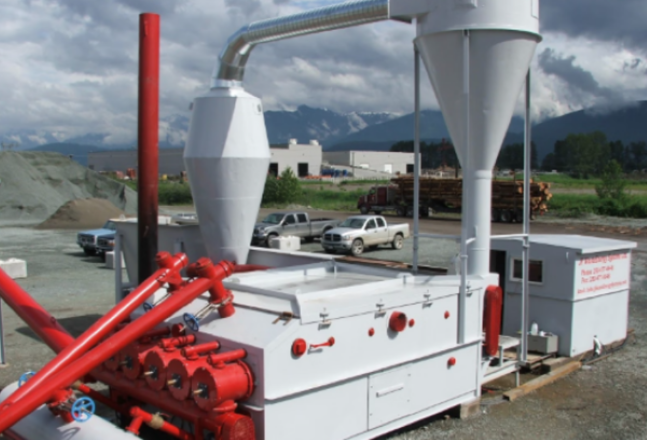
Pyrolysis is a thermal decomposition process that converts used tires into valuable crude oil. This eco-friendly approach breaks down the rubber through high temperatures without oxygen, extracting hydrocarbon compounds.

Utilize used tires

By reusing used tyres through pyrolysis, FELDA is able to reduce waste to landfills and environmental pollution. The recovered crude oil can then be refined and sold, generating a new income stream.

Sustainable Operations

Setting up a pyrolysis plant in a strategic location allows FELDA to process used tires on-site, promote a circular economy approach and enhance the organization's environmental sustainability efforts

Scroll